Choosing and Caring for Materials
Selecting sensible materials
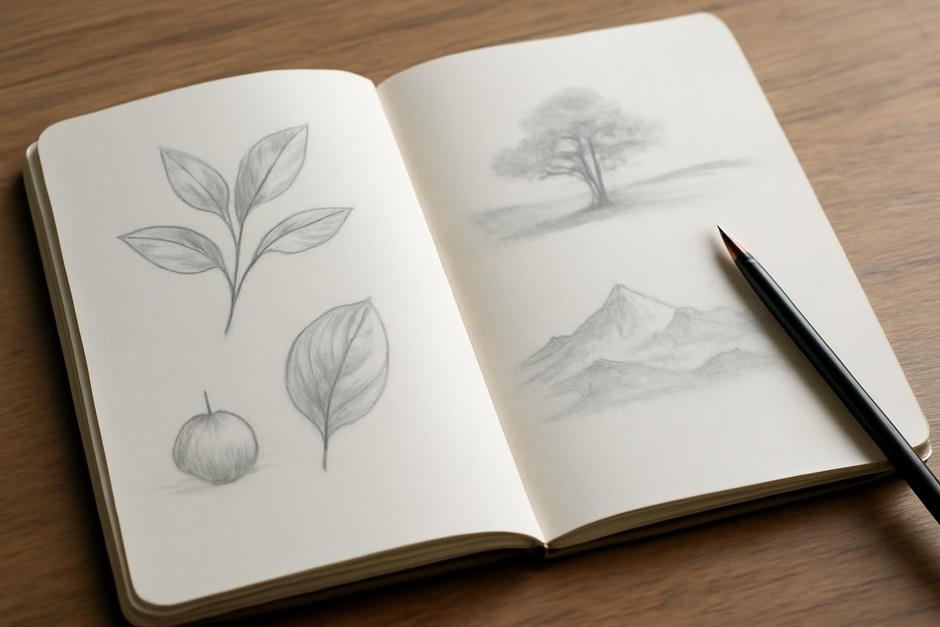
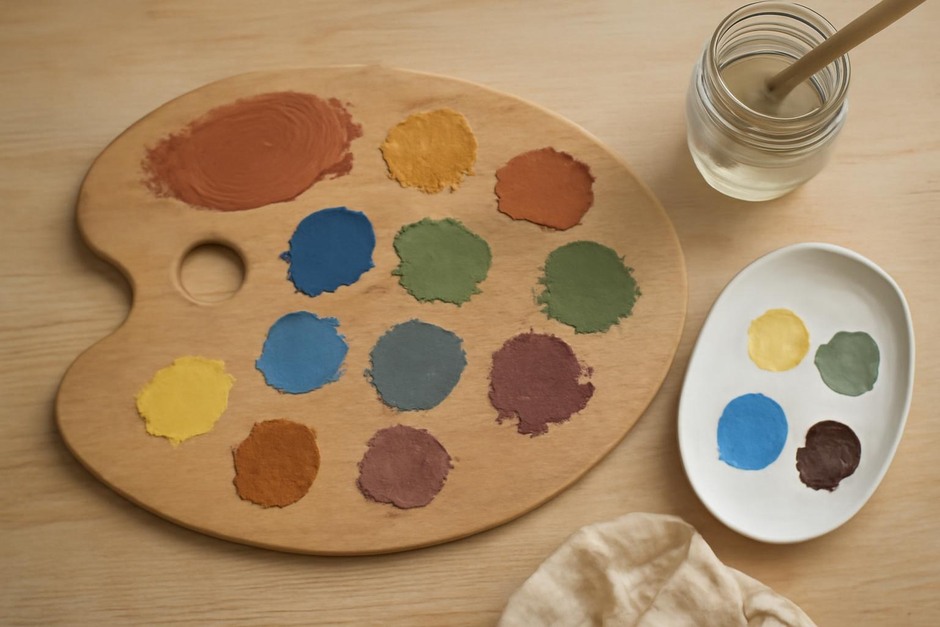
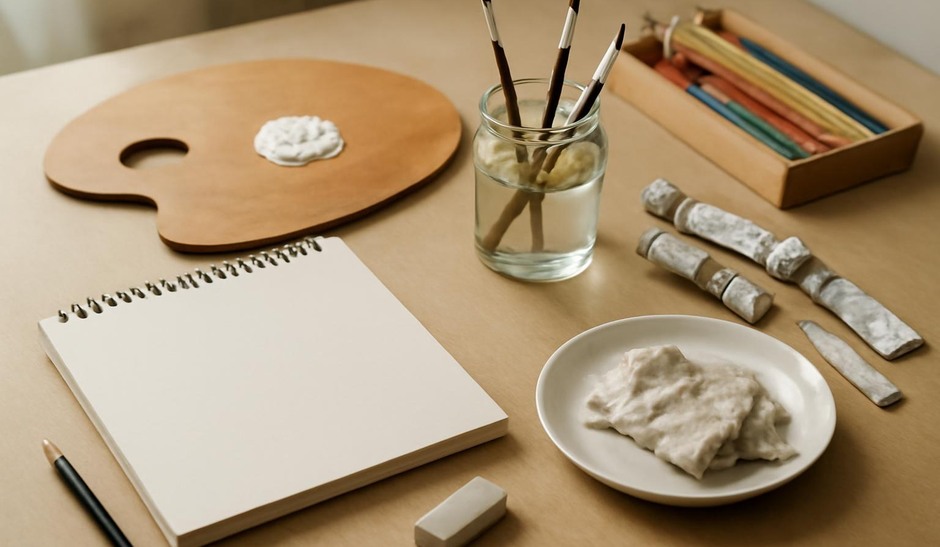
Choose materials that match how you work. A few reliable options are better than many specialized items you rarely use. For drawing, a range of pencils and a sturdy sketchbook matter more than exotic papers. For painting, a modest selection of pigments and a few good brushes will serve many projects.
Consider durability and cost
Quality need not be the most expensive. Look for mid-range products with good reviews for longevity. For example, a decently made synthetic brush often balances performance and price for most acrylic and gouache work. Acid-free paper prevents yellowing over time and is worth the slight premium for work you value.
Simple care routines
Little routines prevent common problems. Rinse brushes promptly after use and reshape the hairs before letting them dry. Avoid leaving brushes standing upright in water for extended periods, as this can damage ferrules and glue. For acrylics, clean while the paint is still wet; once dry, acrylic is difficult to remove.
- Brush care: rinse thoroughly, use gentle soap occasionally, and store flat or bristle-up when dry.
- Paper storage: keep sheets flat in a dry place; use a board or folder for protection.
- Paint storage: close tubes tightly, and for mixed colours, use covered palette wells to retard drying.
Repair and extend
Small repairs are often sufficient. Replace worn erasers, retighten loose ferrules when possible, and trim frayed brush tips with a gentle pull of scissors if necessary. A bit of maintenance extends usable life and reduces waste.
Organizing for practice
Organisation supports a consistent habit. Keep a small, ready-to-go kit for quick sessions: a compact sketchbook, an all-purpose pencil, an eraser, and a few basic colours. Having materials available reduces friction and makes it easier to choose making over planning.
Sustainability considerations
Be mindful of wasteful single-use items. Refillable palettes, durable storage, and conserving paint through modest mixing help reduce long-term costs and clutter. When discarding materials, consider local recycling options for packaging where appropriate.
A quiet final thought
Materials are tools for attention, not the goal. Choose a modest set you understand, form a few simple care habits, and focus energy on practice. Well-cared-for tools support a calm, steady creative life.