Noticing Visual Culture: A Guide for Artists
Pay attention to the ordinary
Visual culture surrounds us: posters, packaging, signage, and the layouts of printed and digital pages. These everyday designs are a source of compositional and typographic lessons. Paying attention to them trains your eye to notice clarity, hierarchy, and decisions about emphasis.
Look with purpose
When you encounter a well-designed poster or a clear package, ask what makes it work. Is the message hierarchy obvious? How is space used to create emphasis? What role do colour and type play? Answering these questions helps translate observation into practical understanding.
Collect small references
Keep a visual note file: a small stack of magazine clippings, a folder of photographed shopfronts, or a digital album of layouts. Curate this collection with restraint; include examples that teach a specific point rather than everything that looks appealing. Over time, patterns will emerge that you can revisit when planning your work.
- Focus on function: note how design communicates information quickly.
- Notice constraints: see how designers work within size, budget, or material limits.
- Extract rules: identify repeatable strategies like strong headers, margin use, or colour blocking.
Translate, don’t copy
Use observations as prompts rather than templates. If a poster uses bold contrast to create a strong focal area, consider how a similar principle—contrast in scale or value—could support your painting without reproducing the poster’s image. The aim is learning patterns of decision-making rather than imitating surface details.
Practice exercises
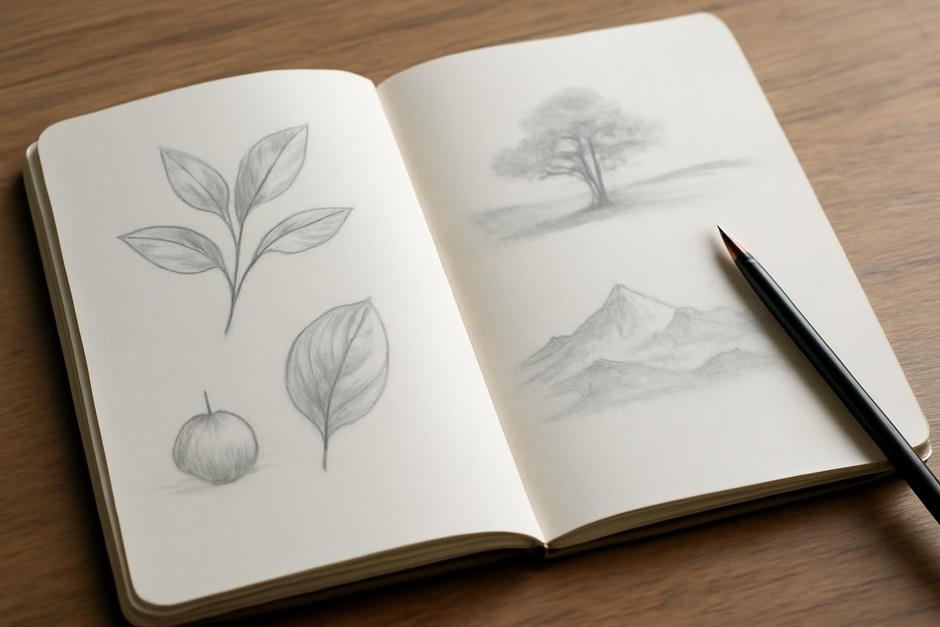
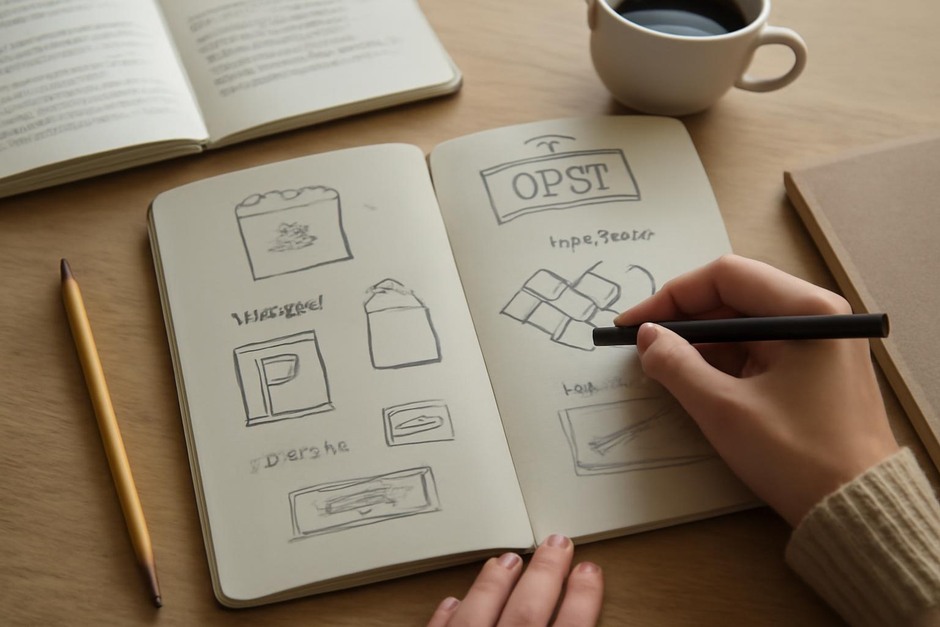
Try redesigning a simple piece of everyday visual material as an exercise: recompose a shop sign as a thumbnail sketch, or reduce a magazine spread to three tones. Translating found designs into your own medium clarifies why particular choices succeed and how you might adapt them to your work.
Maintain perspective
Noticing visual culture should expand your visual vocabulary, not replace your voice. Keep a balance between looking outward for ideas and practicing inwardly—developing your observational drawing, colour sense, and compositional judgement. Over time, the habits you cultivate will allow you to borrow what is useful and leave what is not.
Closing thought
Everyday design is a quiet classroom. By observing with curiosity and translating lessons into small exercises, you build a practical, practiced relationship with the visual world that informs and supports your own creative decisions.