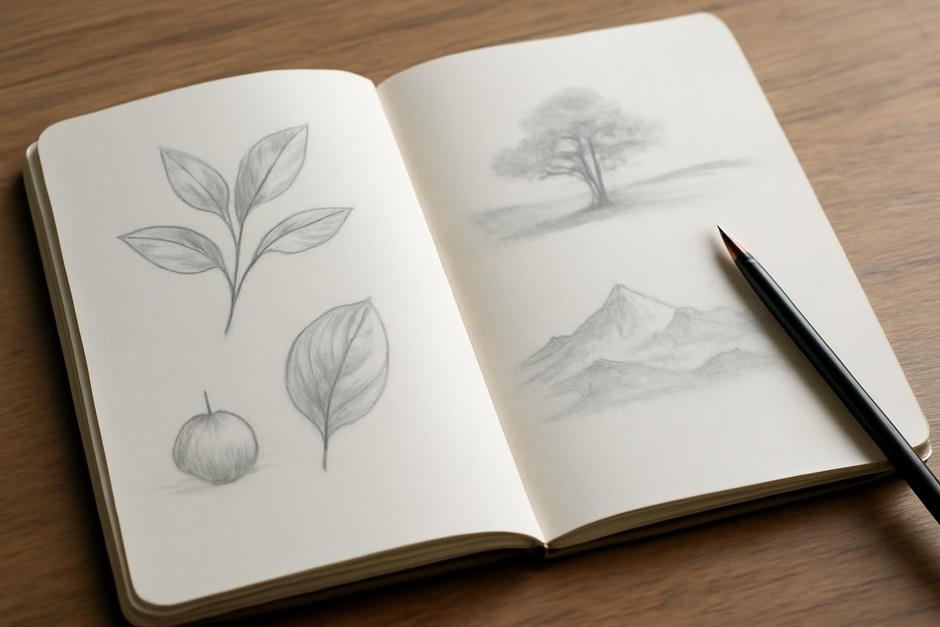
The Sketchbook Habit: Building a Daily Practice
Why a sketchbook habit matters
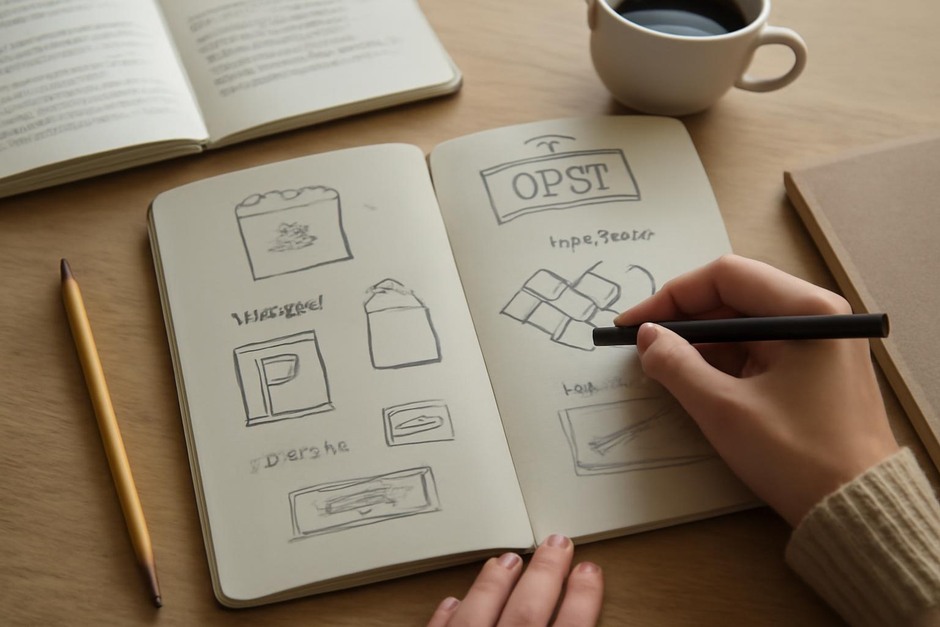
A sketchbook is a place for small experiments, mistakes, and steady observation. The real value of keeping one lies not in the finished pages but in the accumulation of practice: the choices you repeat, the mistakes you learn from, and the way your eye changes over time. A habit reduces friction. When reaching for a sketchbook becomes an ordinary part of the day, you invite continuous learning without pressure.
Practical starts
Begin with a modest commitment. Instead of promising an hour of detailed work, set a simple task you can complete: one five-minute sketch, one small tone study, or a single gesture drawing. The short, achievable session lowers resistance and helps you start consistently.
- Keep it small: a compact sketchbook fits in a bag and is less intimidating than a large format.
- Set a time: five to fifteen minutes daily is enough to build momentum.
- Choose a context: morning coffee, a commute, or a break between other tasks are natural times to sketch.
Prompts and constraints
Simple prompts make decisions easier. Try focusing on one element for a week: edges, values, rhythm, or a single gesture. Constraints can be liberating. Limiting tools to a single pencil, a felt pen, or a brushed ink wash shifts attention from technique perfection to observation and decision-making.
Rotate prompts every few days so the habit remains varied. A small, repeated structure—such as Monday: quick gestures, Wednesday: value studies, Friday: detail observation—provides rhythm without rigidity.
Making it practical
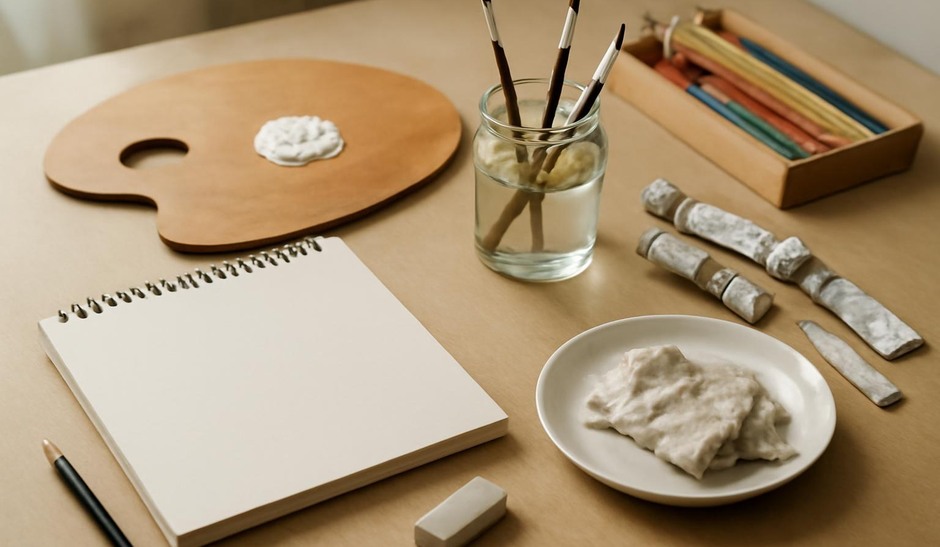
Store your sketchbook where you will see it. Pair it with a simple kit: one pencil, a pen, and a small eraser. If carrying supplies is difficult, adopt a phone-photo-and-draw method: photograph scenes to sketch later. Keep expectations low: a page need not be beautiful to be useful.
Reflection and review
Every few weeks, flip through recent pages. Look for recurring problems and small successes. Rather than self-criticism, note what changed: did proportion improve, or did you notice light more accurately? These observations guide the next cycle of practice.
Long-term rhythm
Habits flex. Travel, work, and life changes will alter frequency. When practice slips, return to the smallest possible step: a single five-minute sketch. Over time, these small returns compound into noticeable improvement. The sketchbook habit rewards patience and steady attention, supporting a creative life that grows by habit rather than by occasional, intense spurts.