Observational Drawing: Seeing Before Drawing
Look before you draw
Observational drawing begins with seeing. The pencil follows the eye. Before you touch the page, take a moment to observe relationships: angles, proportions, and the rhythm of lines. This deliberate looking sets a foundation that makes subsequent marks more purposeful.
Slow down the process
Speed can hide errors. Slow, attentive drawing allows you to notice proportion and alignment. Use a simple measuring technique: hold your drawing tool at arm’s length to compare relative sizes and angles, and transfer those observations to the page. This reduces guesswork and builds accuracy.
Use negative space
Seeing shapes of empty space around objects can be more reliable than focusing on the object itself. Observe the gaps and intervals between forms; drawing these negative shapes often yields a truer depiction of relationships than outlining what you think you see.
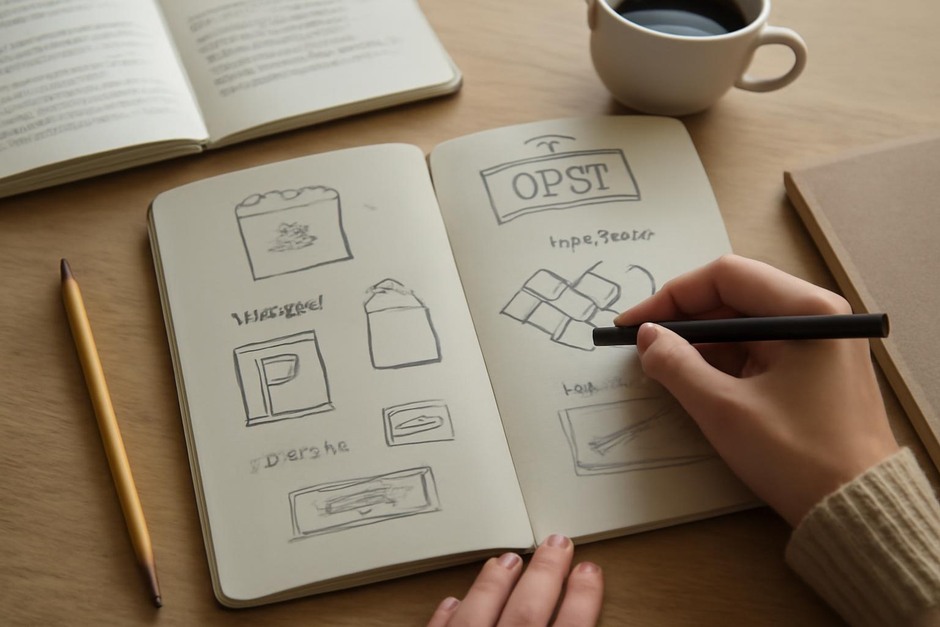
- Viewfinder: a small rectangular cutout or a thumbnail on your phone isolates composition and simplifies complex scenes.
- Plumb lines: vertical and horizontal alignment checks help place features correctly.
- Blocking in: start with simple shapes to establish scale before refining details.
Value and volume
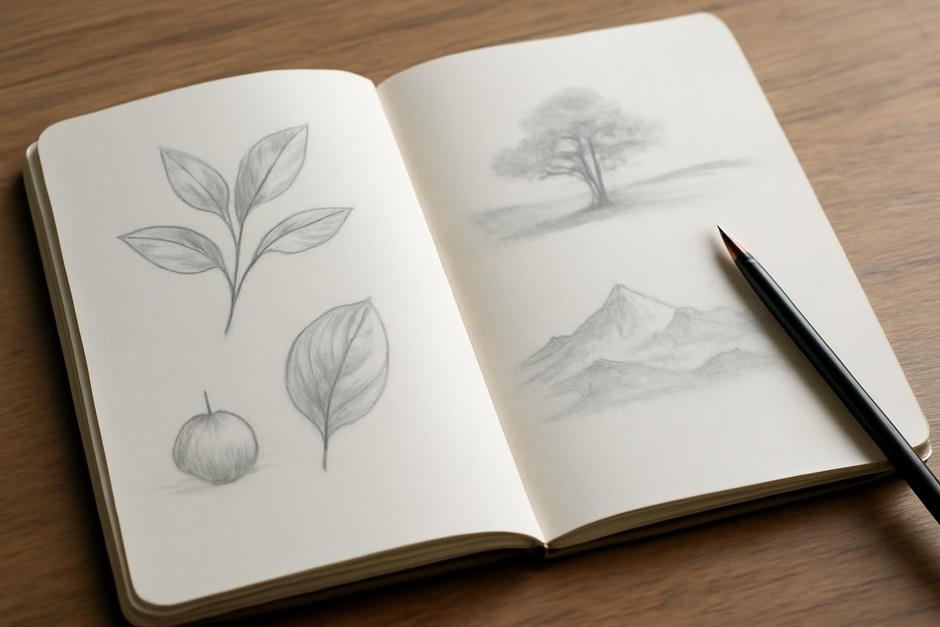
Line captures edges; value suggests volume. Incorporate basic tone studies into observational work. A few large-value masses quickly convey form and light. Using a soft pencil or a brush pen, block in darks and midtones to anchor structure before adding detail.
Alternatives to direct copying
Observational exercises are not only about photographic accuracy. They train visual judgment. Try different constraints: draw with your non-dominant hand to emphasize movement and overall proportions, or work with a limited time to capture essential gestures. These variations strengthen seeing skills by challenging habitual marks.
Practice routines
Schedule short, focused observational sessions. A weekly routine could mix quick gesture drawings with longer, concentrated studies. The combination keeps your eye responsive in the moment and patient during longer tasks.
Keep the process gentle
Progress in observational drawing is gradual. Avoid harsh self-judgment and aim for steady curiosity. Each drawing records where your attention landed that day and helps you notice a little more tomorrow. Over time, the ability to see relationships clearly becomes a reliable skill rather than an occasional insight.