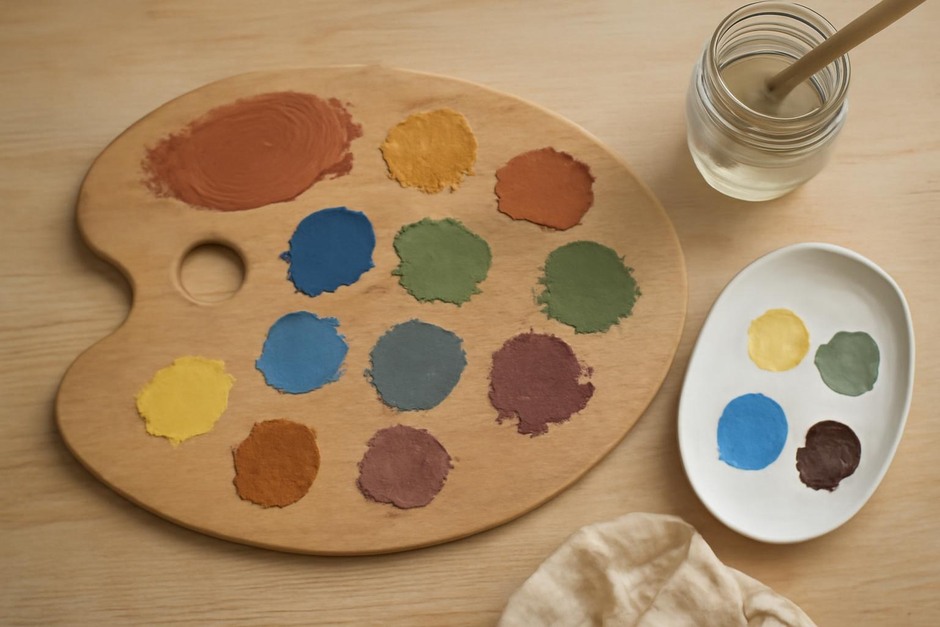
Practical Colour Mixing for Everyday Painting
Start with a small palette
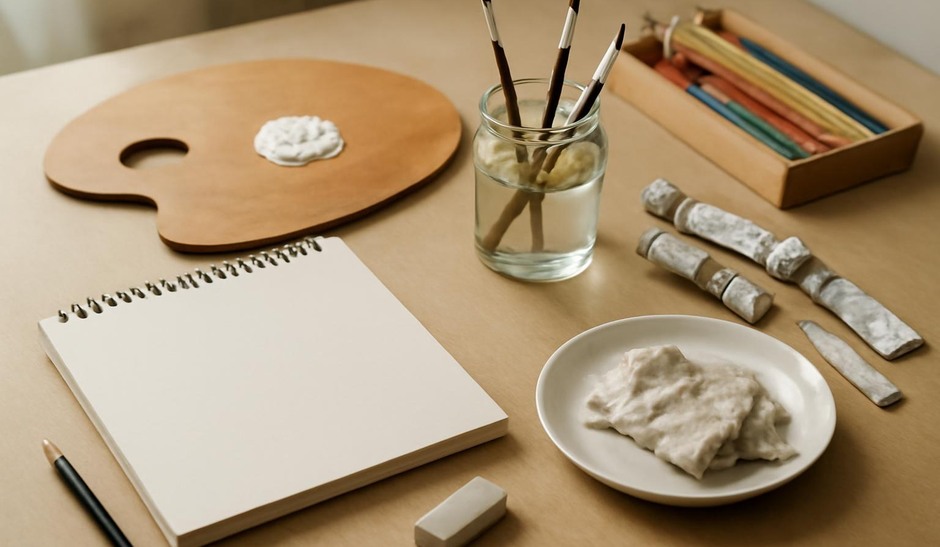
A limited set of colours encourages understanding. Choose a warm and cool version of a primary colour trio—two reds, two blues, two yellows—plus a neutral like ultramarine or a small tube of earth tone. This selection covers a wide range of mixes without overwhelming choices.
Understand temperature
Every pigment has a temperature: warm or cool relative to others. Mixing with temperature in mind helps you predict results. To control a mix, think of whether you want to nudge the colour toward warmth or coolness and choose the appropriate pigment accordingly.
Mixing neutrals and grays
Rather than using black, mix a neutral by combining complementary colours or by mixing muted pigments. For example, a combination of ultramarine blue and burnt sienna creates a deep neutral that feels more alive than black. Build grays by balancing a warm pigment with a cool one and adjust with small additions until the hue reads neutral.
Keep a mixing chart
A practical habit is to make a simple mixing chart for your palette. Paint small swatches showing direct colours and their mixes in different ratios. Label them if you like. This chart becomes a quick reference that preserves memory of particular mixes that worked well on a piece.
Mixing consistently
Consistency comes from repeating a method. Measure mixes roughly by eye at first, then aim to remember proportions. If you achieve a colour you like, mix a little extra and keep it in a palette cup or on a covered plate while working to avoid running out mid-piece.
Solving common problems
- Muddiness: often a result of too many pigments; simplify the mix and start again from a clearer base.
- Too dull: add a small amount of a bright complementary colour to bring life back without changing value dramatically.
- Value mismatch: adjust with a tiny bit of white or a darker pigment; value matters more to perception than exact hue.
Practice exercises
Easy exercises promote familiarity: try matching colours from a simple still life, or replicate a small photograph palette using only your limited set. Time-boxed mixing drills—fifteen minutes of making graduated swatches between two colours—train quick judgement.
Final note
Colour mixing is an observational skill as much as a technical one. With a reduced palette, attention to temperature, and routine exercises, mixing becomes less guesswork and more a predictable tool to express light, mood, and form in everyday painting.